This article may contain affiliate links. If you purchase through a link, I may earn a small commission at no extra cost to you. Read my full Affiliate Disclosure.
I’ve arranged the same 11×14 living room six different ways. Six. My partner stopped offering opinions after attempt number three, which was probably wise of both of us. The floors had little scuff marks from the sofa legs like a map of everything I’d gotten wrong. And every single time, I’d step back, look at the room, and feel that same low-grade frustration – like something was off but I couldn’t name it.
The thing about small living room layout mistakes is that they’re almost invisible until you know what you’re looking for. You don’t think “oh, I’ve violated visual weight principles” – you just think the room feels cramped or cold or somehow wrong. And then you buy another throw pillow, which doesn’t help, and you rearrange the bookshelf, which also doesn’t help, and eventually you’re lying on the floor at 11pm wondering why Pinterest rooms look like that and yours looks like this.
I’ve been there more times than I’d like to admit. This guide is everything I wish someone had handed me before I started making expensive, back-hurting mistakes. We’re going to cover what actually goes wrong in small living rooms, and more importantly, what to do instead.
Table of Contents :
Your Quick-Start Plan for Small Living Room Layout
Before we dive deep, here’s the roadmap. If you’re short on time, scan this first – it gives you the full picture before we break each piece apart.
- Phase 1: Measure everything. Your actual room dimensions, your furniture dimensions, your doorways. Nothing moves forward without this.
- Phase 2: Fix the layout before touching decor. Furniture placement is the foundation. Pillows and art are finishing touches – they can’t fix a broken layout.
- Phase 3: Establish one clear focal point. A fireplace, a feature wall, a large piece of furniture – pick one thing the room orients around.
- Phase 4: Size the rug correctly. This single decision affects how large or small the space feels more than almost anything else.
- Phase 5: Layer your lighting. No small living room should rely on a single overhead source.
- Phase 6: Edit before you add. When in doubt, take something out. Small rooms suffocate under too much.
The Mistake Almost Everyone Makes with Small Living Room Layout
Here’s the one I see constantly – and the one I made myself for years: pushing all the furniture against the walls.
It seems completely logical. Small room, limited floor space, push everything to the edges so the middle feels open. I did this in my first apartment without even thinking about it. It’s practically instinct. And it makes the room feel smaller, not larger.
Here’s why. When furniture hugs the walls, the center of the room becomes this empty, awkward void that doesn’t belong to anything. The sofa is so far from the coffee table you have to lean forward at an uncomfortable angle. The chairs feel disconnected from everything. The room looks like it’s waiting to be set up rather than actually lived in. Designers talk about this in terms of conversation distance – seating works best when it’s within 8-10 feet of each other. Pull it past that and the room stops functioning as a room. It becomes a hallway with sofas.
Floating your furniture even slightly – pulling the sofa 6-12 inches off the wall – creates a sense of intentional arrangement that the wall-hugging version never achieves. The room breathes differently. It feels designed rather than defaulted.
Small Living Room Layout Mistakes: Everything I’ve Learned the Hard Way
Getting the Rug Size Wrong (Almost Everyone Does)
The rug too small for the room might be the single most common mistake in apartment living rooms everywhere. You buy a 5×7 because it seems like enough, and then you end up with this little island of texture in the middle of the floor that makes the whole seating area look like it’s floating in space. Not in a good way.
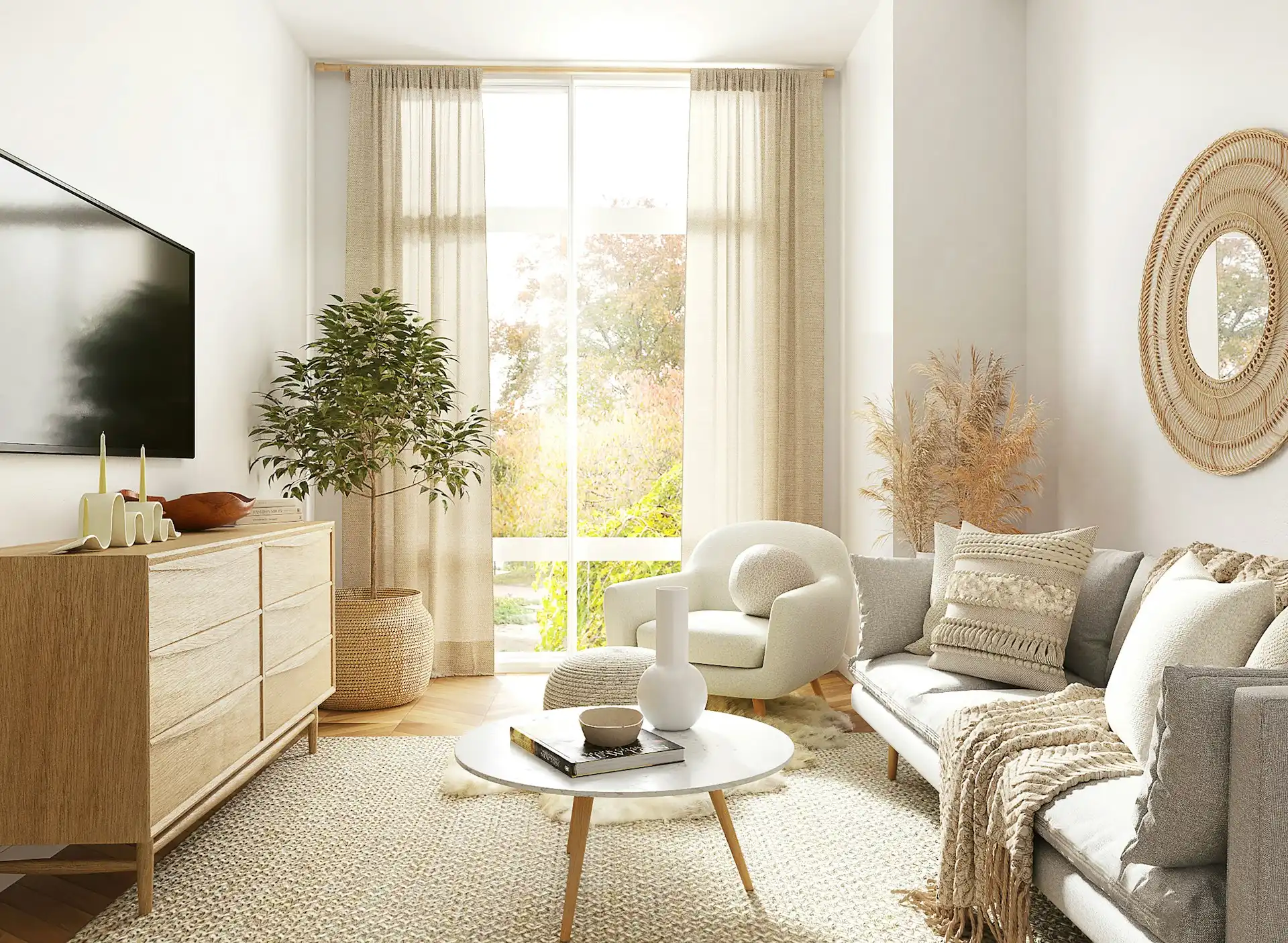
A rug in a living room needs to anchor the furniture, not just decorate the floor. The general guideline – and it’s a good one – is that all front legs of your seating should sit on the rug at minimum. All four legs is better if the rug is large enough. For a small living room, that usually means going bigger than feels comfortable when you’re shopping. A 8×10 in a small room feels massive on the showroom floor. In your actual space, it’ll feel intentional.
Jute and sisal rugs are gorgeous and add real warmth underfoot, but fair warning – they shed noticeably (especially in the first year) and are genuinely difficult to deep clean. Wool rugs are the softest and most durable fiber option and age beautifully, but the price point reflects that. Synthetic options vary wildly in quality; some look cheap under furniture and some are practically indistinguishable from wool at a distance. Budget somewhere between $80-300 for a decent synthetic 8×10, and considerably more for natural fibers.
Ignoring Scale and Proportion
I remember the day the sectional arrived. It was supposed to fit. I had measured the room. What I had not done was account for the fact that a massive L-shaped piece of furniture would eat 60% of the visible floor space and make the whole room feel like a furniture showroom that someone happened to install a television in. We kept it for eight months before admitting defeat.
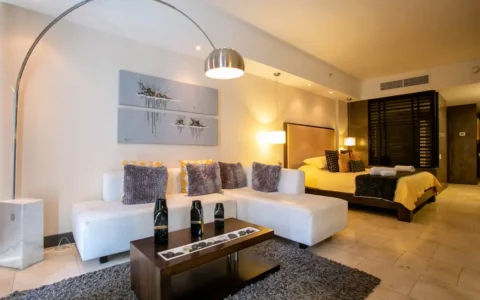
This is what designers mean when they talk about visual weight – the way heavy, large pieces anchor and sometimes overwhelm a space. Dark colors, large scale, bulky profiles – these all carry visual weight. In a small living room, you often need to consciously choose furniture with lower profiles, lighter finishes, and slimmer arms. A sofa with tapered legs and a tight back reads as smaller than a deep-cushioned sofa with a full skirt, even if the footprint is identical.
One thing nobody mentions: measure your doorways and hallways before buying large furniture online. I’ve watched neighbors have to disassemble entire sofas in building hallways because they didn’t check. Most retailers won’t take back assembled furniture. Measure twice, order once.
Relying on One Light Source (And Making the Room Feel Like a Cave)
The overhead fixture problem in small apartments is real. A single recessed light or flush-mount ceiling fixture casts harsh, flat light that flattens everything – no depth, no warmth, no shadow. At 2700-3000K (the warm white range where living rooms live best), a well-layered room glows. Under a single overhead at any temperature, it just looks institutional.
What professional lighting designers call layered lighting – combining ambient, task, and accent sources – is not just a design preference, it’s functionally how rooms become rooms. A floor lamp in the corner. A table lamp at sofa height. Candles or a small accent light near a bookshelf. These sources working together create the kind of warm amber glow that makes a small room feel cozy rather than cramped.
Dimmer switches are the single best investment for a small living room, by the way. They cost $15-30 each and transform how a space feels at different times of day. If you’re renting and can’t hardwire anything, plug-in dimmers exist for floor and table lamps – no installation required, completely deposit-safe.
Skipping the Focal Point
A room without a focal point is a room where your eye doesn’t know where to land. Everything competes with everything else. You walk in and feel vaguely unsettled without being able to say why.
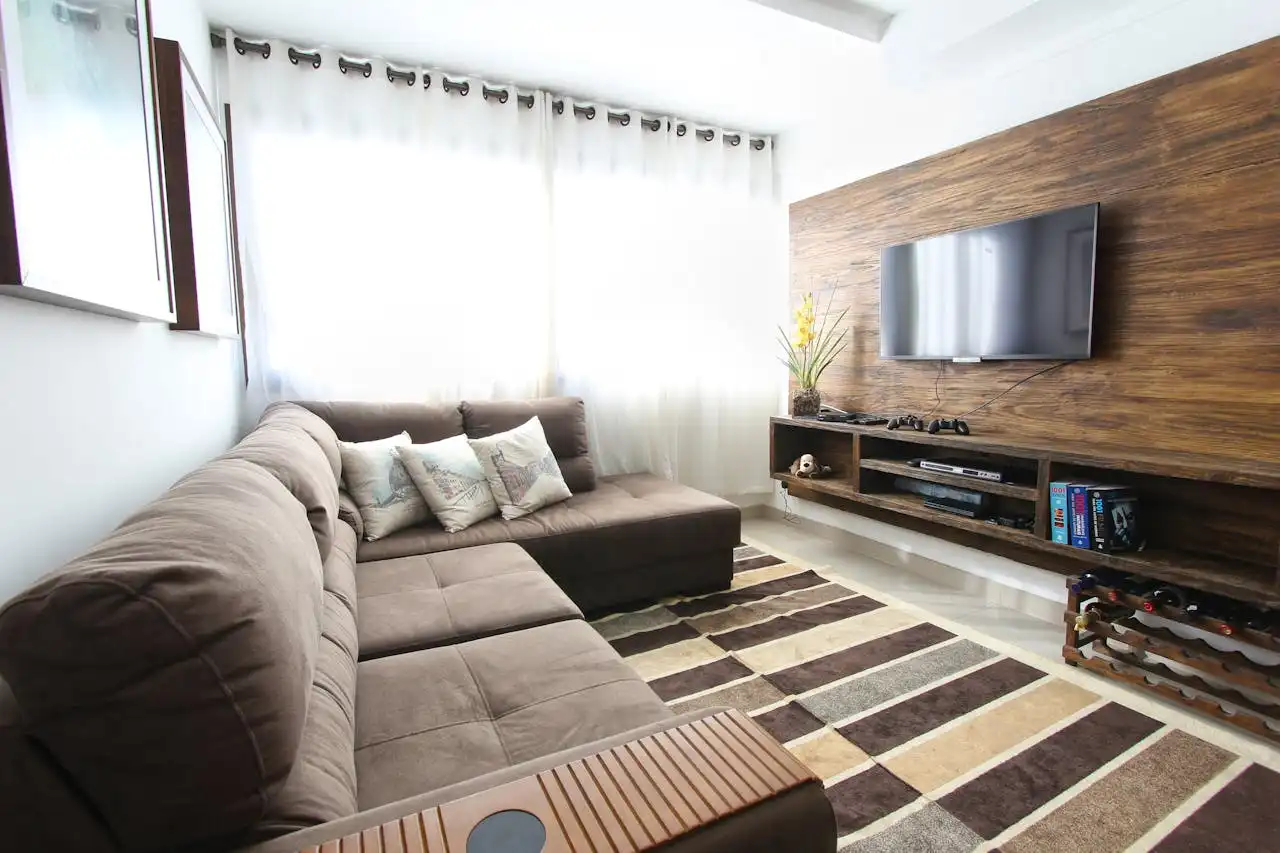
In a small living room, the focal point is usually the television wall, a fireplace if you have one, or a large piece of art or shelving. Whatever it is, the furniture should orient around it. The sofa faces it. The chairs angle toward it. The layout says “this is what the room is about” and everything else supports that story.
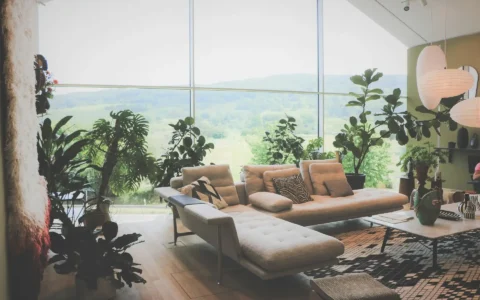
If you don’t have a natural focal point – no fireplace, no architectural feature – you create one. A gallery wall, a large-format mirror that reflects light back into the space, a piece of furniture with real visual presence. It doesn’t need to be expensive. It needs to be intentional.
The 60-30-10 color rule also comes into play here: roughly 60% of your color should be your dominant neutral (walls, sofa), 30% a secondary tone (rug, chairs, curtains), and 10% an accent (pillows, art, a single bold object). This isn’t a law – it’s a useful framework. In a small room, it prevents the color chaos that makes spaces feel smaller and busier than they are.
Buying Without Thinking About Longevity
This one’s practical and nobody talks about it enough. If you’re furnishing a small space on a budget, you’ll likely be keeping these pieces for a while. Which means it’s worth knowing what actually determines whether a sofa lasts five years or fifteen.
Fabric double-rub ratings tell you how much abrasion a fabric can handle before showing wear. Budget upholstery often sits around 15,000 double rubs – fine for occasional use, not ideal for a sofa that gets daily use. Performance fabrics rated for 50,000+ double rubs handle real family life – spills, pets, kids, all of it – without looking worn in year two. The price difference is real, but so is the longevity difference.
Foam density is the other thing to ask about before buying. Most people focus on fabric and frame material and ignore the foam entirely – which is backwards, because foam density (measured in lbs per cubic foot) is actually the biggest predictor of sofa longevity. High-density foam (1.8 lbs/ft³ and above for seat cushions) holds its shape for years. Low-density foam starts sagging noticeably within a year or two of regular use. You can ask the retailer directly before purchasing. If they don’t know the answer, that tells you something.
The Stuff Nobody Mentions About Small Living Room Layout
Good layout doesn’t photograph the way it feels. Pinterest and Instagram rooms are staged for cameras – wide-angle lenses, professional lighting, everything perfectly arranged for a single hero shot. The rooms that look amazing in photos are often awkward to actually live in. A sofa pushed 18 inches from the wall looks strange in photographs. In a real room at real scale, it’s the difference between a room that functions and one that doesn’t. Trust how it feels over how it might photograph.
Traffic flow is non-negotiable and everyone ignores it. Designers typically aim for 2-3 feet of clear pathway through any room. In small living rooms, that gets compressed – but you need at minimum 18 inches of clear path to avoid a room that feels like an obstacle course. Walk through your layout before you commit to it. If you’re turning sideways to get past the coffee table, something needs to move.
Honest truth about “before” photos. I’ve followed my own advice, done everything right, and still had rooms that felt wrong for weeks while I adjusted. Living rooms take time to settle into. The arrangement that feels weird on day three often feels right by week three, once you’ve actually used the space. Don’t move everything again immediately. Give it two weeks first.
I spent real money on a room and it still felt wrong for months. Not my proudest admission. I had good furniture, decent lighting, the right rug size. And it still didn’t feel like mine. What finally changed it was removing things – a chair I kept because it was “useful,” a side table that was too small for the space, an art print I’d had forever but never actually liked. Editing is harder than adding. But a small room with less that you love will always beat a small room crowded with things you’re tolerating.
Budget-Friendly Small Living Room Layout Checklist
🎉 Your small living room layout is officially working. Enjoy every inch of it!
Making Small Living Room Layout Work in Your Actual Home
If you’re in a rental: The same layout principles apply completely, but every modification needs a no-damage version. Command strips hold art up to 5 lbs (check weight limits before hanging). Tension rods work for curtains without drilling. Freestanding shelving units do everything built-ins do without touching walls. Peel-and-stick wallpaper has genuinely improved – good options exist in the $2-4 per square foot range and remove cleanly. Nothing in this guide requires permanent modifications.
If you’re working with existing furniture: Start with layout before buying anything new. You’d be surprised how different a room can feel with the same furniture in a different arrangement. Move the sofa first – floating it off the wall is free. Then reassess. You might save yourself a significant purchase just by rearranging what you have.
If you’re starting from scratch on a limited budget: The sofa is the piece worth spending on, not saving on. Everything else – coffee table, side tables, shelving, accent chairs – can be thrifted, found secondhand, or bought at accessible price points without much quality compromise. A good sofa in the $400-800 range (check foam density) will outlast three cheap ones. Build outward from that one quality anchor piece.
If you’re overwhelmed right now: Here’s the one thing I’d tell you to do first. Don’t buy anything. Move your sofa. Pull it off the wall, float it in the space, put the coffee table back in front of it, and sit down. Just sit and look at the room from that position for five minutes. That single change – that one shift – will tell you more about what your room needs than any amount of Pinterest scrolling. Start there.
Your Small Living Room Layout Questions, Answered Honestly
Q: Can a small living room have a sectional?
A: Sometimes, but it depends heavily on the room’s shape and the sectional’s scale. A small-scale sectional (usually labeled “apartment size” by retailers) in an L-shaped room can actually work quite well – the L configuration can define a zone without blocking flow. A massive deep sectional in a square 10×10 room will eat the space entirely. Measure carefully, look for pieces with 60-65 inch lengths per side rather than 80+, and consider whether a sofa plus a loveseat or two chairs might actually serve you better.
Q: Should I use light colors to make a small living room feel bigger?
A: Light colors help, but they’re not magic. The bigger factors are layout, rug size, and lighting. A small room with great natural light, a proper furniture arrangement, and layered lighting will feel spacious in a deep moody navy. A small room with terrible lighting and wall-hugging furniture will feel cramped in the brightest white. That said – cool white paint at 3500K+ can read clinical rather than airy, while warm creamy whites (think warm neutral undertones) feel open without feeling cold. If painting, test samples on the actual wall before committing.
Q: What’s the right sofa depth for a small living room?
A: Standard sofas run 34-38 inches deep, which is significant square footage. In a room under 12 feet wide, a shallower sofa (30-32 inches deep) makes a real difference in how much floor space remains. The tradeoff is that shallower sofas can be less comfortable for lounging. It depends on how you actually use your living room – if it’s primarily for sitting upright and conversation, a shallower depth works fine. If you spend hours lying on your sofa, the extra depth matters more than the floor space.
Q: Do I really need an area rug if I have hardwood floors?
A: I’d say yes for a living room – not for aesthetic reasons alone, but functional ones. A rug defines the seating area and gives the furniture something to anchor to visually. Without it, even great furniture can look like it was placed randomly. It also adds acoustic softening (hard floors in small rooms can feel echoey) and literally softens the space underfoot. If budget is a constraint right now, a good synthetic rug in the $80-150 range for an 8×10 is a better investment than it might seem.
The Part That Takes Time
The honest thing about small living room layout mistakes is that most of them aren’t permanent. You can move furniture. You can return a rug. You can try again.
What takes longer is developing the eye for what works – the ability to walk into a space and feel where the problem is before you can name it. That part only comes from doing it, getting it wrong, and paying attention to why. There’s no shortcut I’ve found, and I’ve looked for one.
What I’ve come to believe after years of rearranging, repainting, and occasionally crying over spaces that refused to cooperate: a room that feels like you isn’t something you get perfectly right once. It’s something you adjust over time, as you figure out how you actually live in a space versus how you imagined you would. The small living room layout you end up with a year from now will probably be better than the one you have today – not because you bought the right things, but because you paid enough attention to figure out what you actually needed.
That’s the real work. And you’re already doing it, or you wouldn’t have read this far.
Tell me in the comments – what’s the layout mistake you keep making in your space? I’d genuinely love to know if any of this landed.